The Sackbut: Evolution of the Renaissance Trombone
If you were to walk into a 16th-century cathedral in Venice, you wouldn’t hear the booming, brassy roar of a modern marching band. Instead, you… The Sackbut: Evolution of the Renaissance Trombone
Technical Specifications of the Ney Instrument Family Woodwind (Aerophone) / End-blown Flute Primary Material Arundo Donax (Giant Reed) preferred; synthetic or wood alternatives exist. Origin… Ney: The Sacred Flute of Sufi Music
Imagine a sound that feels less like an instrument and more like a human voice quietly weeping, or perhaps praying. It’s a vibration that seems… Duduk: The Soulful Apricot Wood Oboe
Imagine standing in the bustling agora of ancient Athens or sitting on the stone steps of the Theater of Dionysus. Above the chatter of the… Aulos: The Double-Pipe of Ancient Greece
Imagine a misty morning in 200 BC. You are standing on a damp field in Gaul, waiting for a battle that will likely decide your… The Carnyx: The Terrifying Celtic War Trumpet
Imagine a sound that doesn’t just start and stop but blooms, buzzes, and bends into the spaces between the notes. That is the Sitar. It… Sitar: The Sound of Indian Classical Music
Imagine a dragon lying on the shore, its long, curved body echoing the sound of the waves. This isn’t just a poetic metaphor; it is… Koto: The National Instrument of Japan
Imagine standing in the vast, open steppes of Mongolia. The wind whistles through the grass, and in the distance, you hear the thunder of hooves.… Morin Khuur: The Mongolian Horsehead Fiddle
Imagine a sound that is less about the melody and more about the silence between the notes. The Biwa isn’t just an instrument; it is… Biwa: The Storytelling Lute of Japan
Imagine a sound that traveled across the windy steppes of Central Asia thousands of years ago, carried by horseback riders and storytellers. This is the… Kopuz: The Ancient Lute of Turkic Culture
The Guqin is not just a musical instrument; it is a philosophy wrapped in silk and wood. Often called the “instrument of the sages,” this… Guqin: The Scholar’s Zither of Ancient China
The Rebec is the spunky, loudmouthed grandfather of the modern violin. While today’s orchestras are dominated by the refined Stradivarius, the medieval world danced to… The Rebec: Ancestor of the Modern Violin
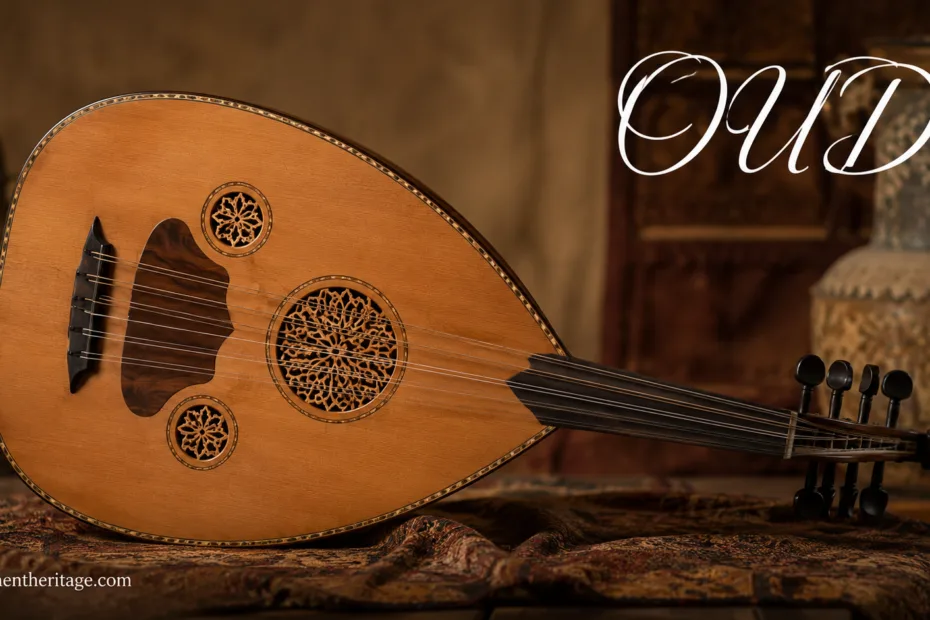
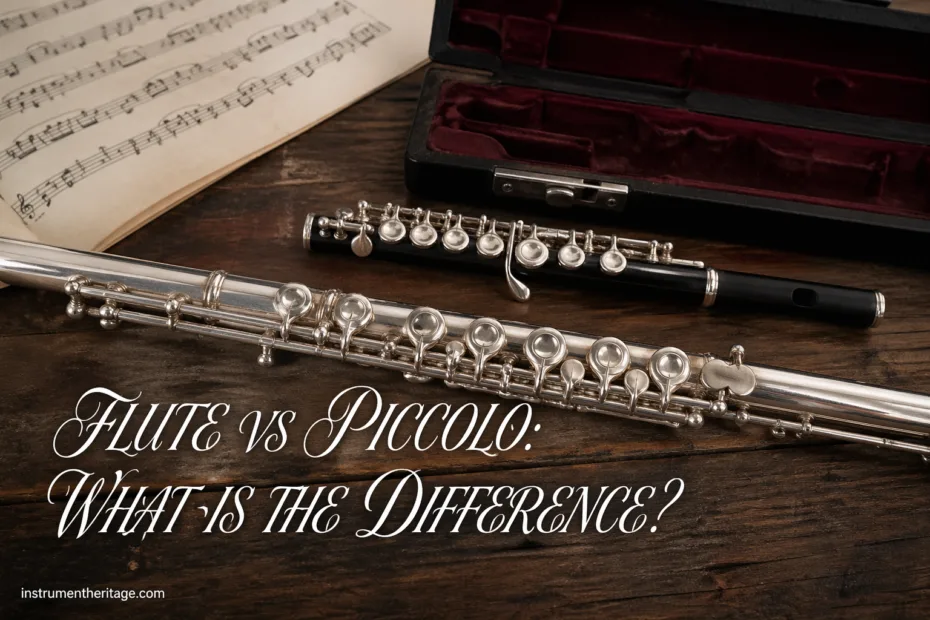
If you squint your eyes a little bit while looking at a stage, you might mistake an Oud for a Lute, or vice versa. It… Lute vs Oud: What Is the Difference?
Imagine a musical instrument that looks like a violin crossed with a typewriter, sounds like a bagpipe, and is played by cranking a wheel. This… Hurdy-Gurdy: The Medieval Wheel Fiddle Explained
Imagine peeling back layers of earth to reveal a voice that hasn’t been heard in 4,500 years. That is exactly what happened when archaeologists uncovered… The Lyre of Ur: World’s Oldest String Instrument
Forgotten instruments are popping back up in modern music like an old book that suddenly feels brand-new. You’ll hear instrument revival in film cues, indie… The Revival of Forgotten Instruments in Modern Music
Historical treasures in the instrument world aren’t just “old things.” They’re living artifacts that still breathe music, like a time capsule you can tune. An… Why Some Instruments Are Considered Historical Treasures
A musical instrument starts life as a sound-making tool. Then time does its magic. A cracked varnish line becomes a memory mark, a worn thumb… How Musical Instruments Became Cultural Artifacts
A lost musical instrument is a bit like a missing voice in a choir: you can tell something used to sing there, but the singer… Lost Musical Instruments from History
The cultural heritage of musical instruments is not just the wood-and-wire object you can hold. It’s also the craft knowledge, the sound habits, and the… The Cultural Heritage of Musical Instruments
In every musical tradition, instruments are more than sound-makers. They’re like memory devices with strings, skins, reeds, and metal. A single drum hit can say… The Role of Instruments in Musical Traditions
Vintage instruments are like time capsules with strings, keys, and valves. Their value comes from a mix of sound, scarcity, craft, and story—all packed into… The Most Valuable Vintage Instruments
Authentic vintage instruments aren’t just “old and cool.” They’re a real piece of a maker’s history, like a passport for wood, metal, and sound. To… How to Identify Authentic Vintage Instruments
Some instruments don’t just age—they travel. A centuries-old instrument can feel like a message in a bottle: wood, metal, and air turned into sound, then… Instruments That Survived Centuries
Step into a master luthier workshop and you’ll notice the tonewood first—stacked, stickered, and waiting like ingredients in a quiet kitchen. The bench isn’t just… Inside the Workshop of a Master Luthier
Traditional instrument woods are the quiet co-writers of music. Pick the right tonewood and the notes feel like they “breathe.” Pick the wrong one and… Traditional Woods Used in Instrument Making
Craftsmanship is the part of an instrument you don’t “see” at first glance, like the skeleton under the skin. When it’s done right, instrument longevity… How Craftsmanship Affects Instrument Longevity
Legendary instruments aren’t just well-made objects. They’re sound diaries that remember every gig, every studio take, every shaky first note. Pair one with the right… Legendary Instruments and Their Musicians
Royal-origin violins feel like time machines in a wooden case. You are holding court culture, craft prestige, and documented ownership in one object. 👑 Royal… Violins with Royal Origins
Sometimes an instrument stops being “just a tool” and turns into a portable story. You see the shape, you hear one note, and your brain… When an Instrument Becomes a Symbol